
LittleDinamit

Content is nice, but what Starfield really needs is a fundamental shift away from fast travel
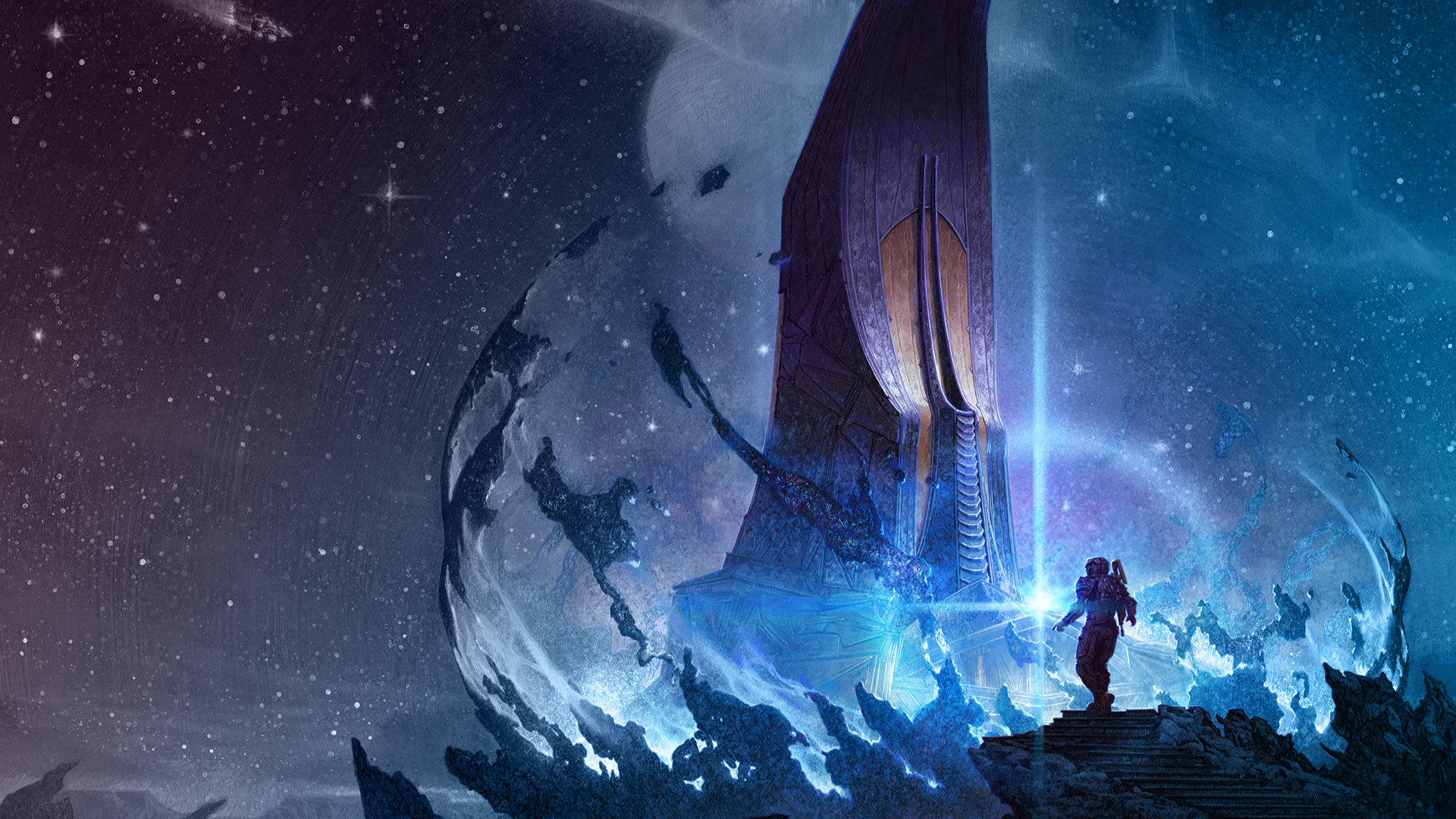
Up until Starfield, Bethesda’s track record was nearly immaculate, and hype for the space RPG was high. Unfortunately, that excitement was largely deflated when the game actually released to tepid reception from players and critics alike. Even the legendary Bethesda game modding community found it hard to get excited.
The recently announced set of updates will bring tons of new content and introduce some neat mechanics, but as someone who played and enjoyed Starfield as is, I do not believe they will fix the underlying and fundamental issues with the game.
I feel that many of Starfield’s problems stem from a domino effect of overly risk averse design choices which can seemingly be traced back to decisions late in development and ultimately reverted.
Internet memes immediately immortalized one of Starfield’s most glaring flaws: the extensive loading screens. At first glance, this is a technical limitation of an engine buckling under the ambition of an open world galaxy with hundreds of explorable planets. This might make it sound like the game is simply irreparably broken.
However, I think these immersion breaking interruptions represent the most visible symptom of a very fixable problem at the core of Starfield: interplanetary travel is too easy and too common.
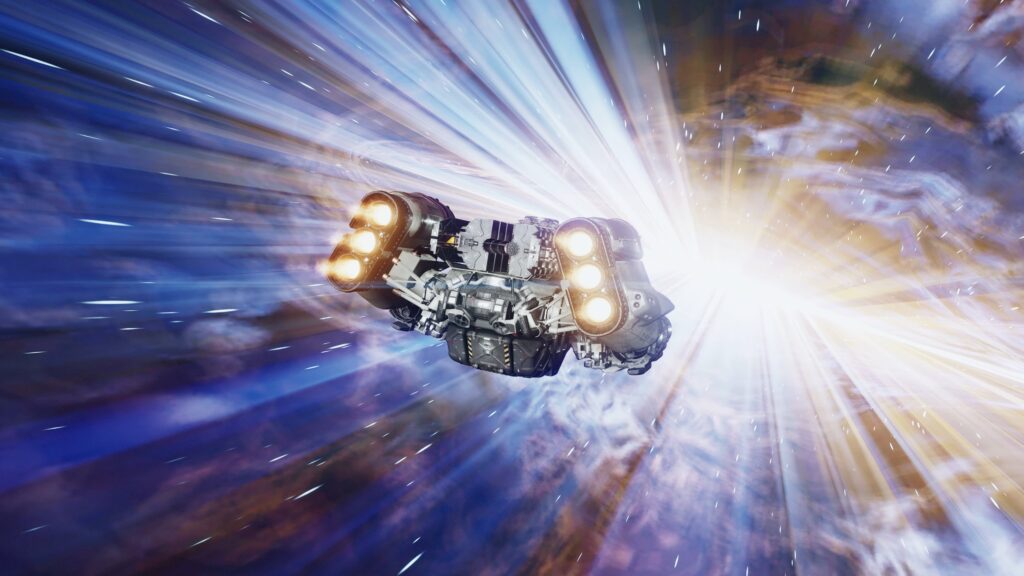
Many of Starfield’s quests take you to multiple planets for seemingly trivial reasons: talk to a character you’ve already met or pick up an item. This means that you have to hop planets very often, turning adventure into tedious chore, and coercing you into utilizing the hilariously overpowered fast travel system extensively.
As you fast travel, loading screens that would usually happen at reasonably immersive points like entering a major city or flying off into space, now happen almost at random. You accept a quest and immediately fast travel halfway across the galaxy to its next objective marker. You basically stop using your ship and skip most of the game’s random space encounters and opportunities for spontaneous exploration.
To fix this, Starfield would need to take two steps back, and one step forward – trampling quality of life to brute force immersion.
Fast travel has to go. It’s simply too convenient to resist, allows the player to skip over major parts of the game, and just overall poisons the experience with immersion-breaking loading screens for the sake of convenience.
Naturally, just removing fast travel solves nothing and simply makes the game more annoying, but before we get to the steps forward we need to take another step back: make space scary.
In the shipped version of the game, Starfield’s fuel system is practically pointless, impacting only how far between star systems you can jump in one go. However, the game still features parts of an abandoned and much more punishing fuel system.
In this older version of the game, fuel would actually be spent as you go: the size of your fuel tank and amount of fuel would impact how far you can go. You could even get stranded in space, requiring a pricey rescue mission.
This system seems to have been cut during development to streamline the game and avoid players getting stuck and annoyed. That does make sense in the context of the game we have today, but bringing it back is the first step on the path to remedying Starfield’s deepest issues.
Building neatly on introducing real cost to space travel, the upcoming “Free Lanes” update will introduce cruise mode, allowing you to actually fly between planets in the same system, staying on your ship rather than dealing with menus. This is a huge step forward for immersion and fits perfectly with a more hardcore space travel experience without fast travel.

With these changes, rather than sitting through loading screens and fiddling with menus to effortlessly and mindlessly fast travel to your destination, interplanetary travel becomes a real consideration. You would have to actively think about every trip and invest time to make it happen. It would not be trivial and you would not do it on a whim. Not only does it fit into the grounded “NASA-punk” universe, it would also brings depth to the ambitious scale of the game.
Before you even set off, you’re considering whether it’s worth it and making sure you have enough fuel. On the way there, you’re catching up with companions, decorating your ship, prepping your loadout, and potentially dealing with unexpected interruptions along the way.
Why do I have to travel across a galaxy to talk to a person only for them to say “good job, go do this next”? This meeting could have been an email. More practically, it could have been a simple call on some sort of communication system on your ship, allowing you to stay on planet and continue the story.
This cuts down on the need for constant space travel, giving it space to be more challenging and meaningful without becoming tedious. It also gives a certain gravitas to the parts where story dictates that travel does remain necessary. If you’ve played the game, I’m sure you can remember several such moments.
This is by no means a simple change and would require redoing many quests in the game, but I feel it is the exact change needed to adapt Bethesda’s tried and true immersion formula from a single seamless regional map to a universe of planets.
The game’s top moments happen when it lets you breathe and immerse yourself in a location and story, and these changes would build on that. Moving from planet to planet becomes a carefully weighed decision, informed by your available resources and the potential for story continuation.
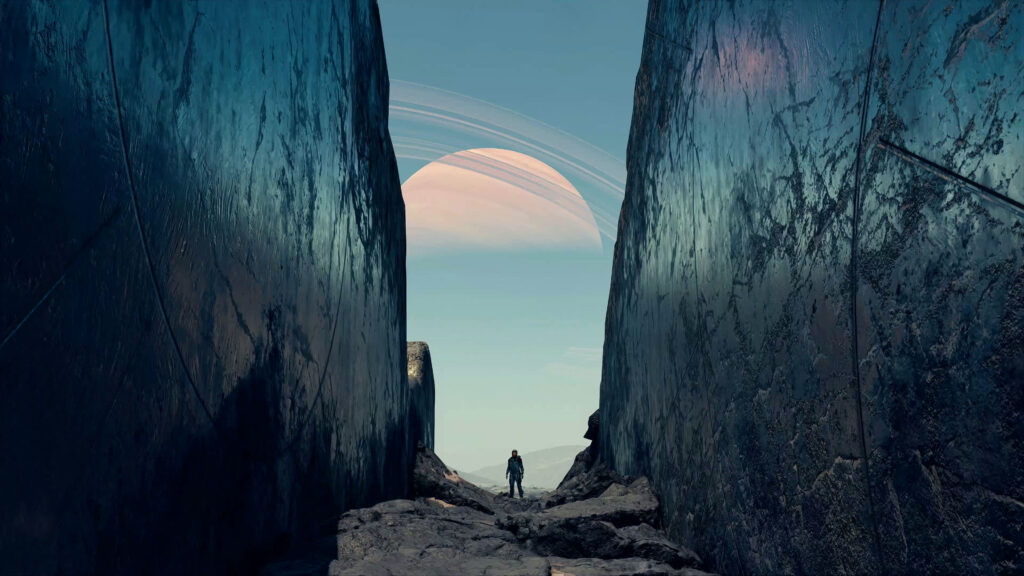
Many overlooked mechanics like ship customization and outpost building get a more important role in progression as the resources to travel space become more necessary.
The upcoming updates will relieve other common criticisms of the game, like the repetitive points of interest, but without more fundamental changes to avoid constant immersion breaking interruptions, they are unlikely to turn the tide for Starfield.
Wouldn’t hurt if there were also fewer fu**ing temples, though.
Leave a Reply